Electrochemical

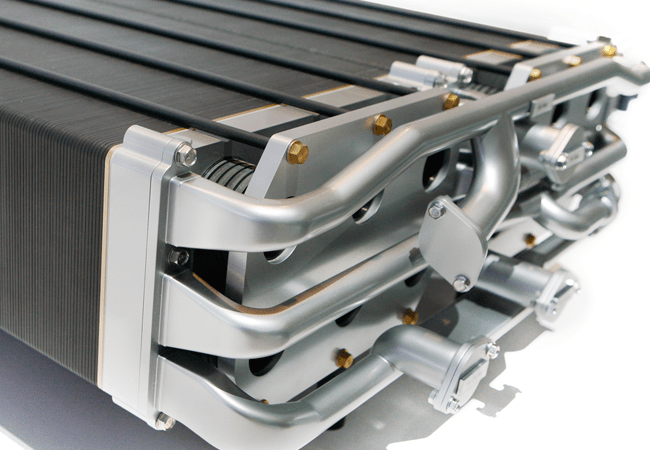
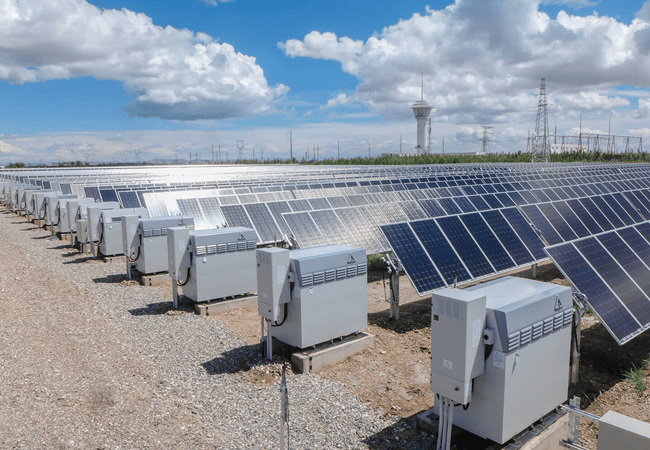
AvCarb carbon fiber papers and woven carbon fabrics are versatile materials extensively utilized as gas diffusion media or carbon electrodes in fuel cells, electrolyzers, and flow batteries, helping to revolutionize energy conversion and storage technologies. From providing one of the thinnest and most uniform woven carbon fabrics (1071) to developing a novel process to uniformly activate the surface of carbon electrodes for redox flow batteries to designing a portfolio of carbon fiber composites for various fuel cell systems, AvCarb products are always pushing the limits of electrochemical technologies and innovation. AvCarb’s electrochemical materials are designed to provide best in class product and reactant permeability, electrical and thermal conductivity, and product uniformity for our customers critical needs.

Fuel Cells

Learn More

Electrolyzers

Learn More

Flow Batteries

Learn More

Ask an Expert

AvCarb has the experience and expertise to help solve your most important Engineered Carbon challenges. Please contact us so we can help you find what you need!
Connect with an AvCarb Expert Now!

The Importance of Woven Carbon Frictions

Introduction

In the ever-evolving landscape of automotive engineering, the demand for higher performance, greater fuel efficiency and improved durability has driven manufacturers to innovate continuously. One of the most significant yet often overlooked advancements is the development and integration of woven carbon frictions within torque converters. Introduced in model year 1996, this material has since become a key component in modern transmissions, with...


Click here to learn more.

This will close in 10 seconds

YouTube
LinkedIn